

The evolution of gambling tracing the roots of chance and fortune
The Ancient Origins of Gambling
The roots of gambling can be traced back thousands of years to ancient civilizations. Archaeological evidence suggests that early forms of games of chance were played in China around 2300 B.C. where tiles have been found that resemble modern-day lottery games. Similarly, ancient Egyptians were known to gamble using dice, which were made from various materials including bone and ivory. These early forms of gambling highlighted humanity’s inherent attraction to risk and the thrill of uncertainty. If you’re curious about modern options, check this site to discover how online platforms have evolved.
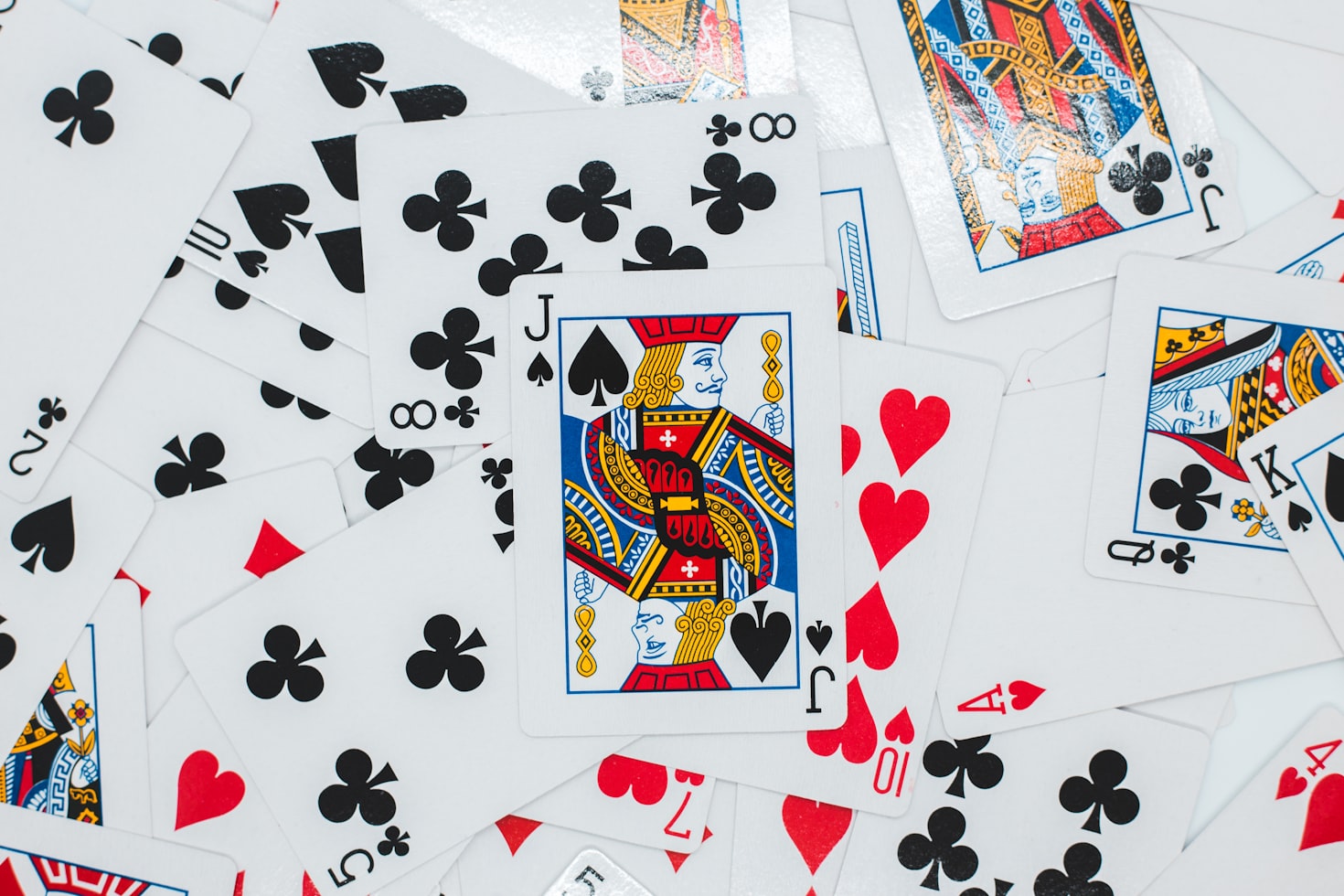
In the Roman Empire, gambling became a social norm, and the famous writer Cicero noted its popularity. Romans played a variety of games involving dice and betting on gladiatorial contests. This early history reflects the integration of gambling into social and cultural life, which laid the foundation for its evolution through the centuries.
The Medieval Transformation and Regulation
During the Middle Ages, gambling underwent significant changes, particularly in Europe. With the advent of the Church’s influence, many forms of gambling were deemed sinful, leading to a complex relationship between society and chance. However, this era also saw the emergence of gambling houses, which operated in secrecy. The prohibition didn’t eliminate gambling; rather, it pushed it underground, creating a clandestine culture of risk-taking.
As gambling gained popularity, governments began to realize its potential for taxation. By the 16th century, state-run lotteries were established in various European countries, providing a legal means for citizens to gamble. These lotteries not only fueled excitement but also funded public projects, which showcased the dual nature of gambling as both entertainment and a means for economic development.
The Birth of Modern Casinos
The 18th century marked the birth of modern casinos, with the first official gaming house opening in Venice in 1638. This establishment was designed to be a regulated environment where people could indulge in games like baccarat and faro. The idea of the casino spread quickly throughout Europe, leading to the establishment of famous gaming resorts in places like Monte Carlo.
By the 20th century, casinos began to make their way across the Atlantic, particularly in the United States. Las Vegas emerged as the gambling capital of the world, offering extravagant entertainment alongside gaming. This evolution represented a shift in gambling from a social activity to a commercial enterprise, ultimately leading to the luxurious casinos we see today.
The Digital Revolution in Gambling
The advent of the internet in the late 20th century initiated a seismic shift in the gambling landscape. Online casinos emerged, allowing players to enjoy their favorite games from the comfort of their homes. The ease of access to a wide range of games drastically changed how gambling was perceived and engaged with. Online platforms introduced features like bonuses and live dealer games, further enhancing user experience.
As technology continues to evolve, so too does online gambling. Innovations such as mobile gaming and virtual reality casinos are transforming the way people interact with chance and fortune. The rise of cryptocurrency has also entered the gambling space, allowing for anonymous and secure transactions, appealing to a new generation of players eager for privacy and efficiency.

Exploring Responsible Gambling in the Modern Era
As gambling becomes increasingly accessible, the importance of responsible gambling practices has gained prominence. With the surge in online gaming, platforms have implemented various tools and resources aimed at promoting safe gambling. These include self-exclusion options, deposit limits, and educational materials about the risks associated with gambling.
The focus on responsible gambling is crucial as it ensures that the enjoyment of gaming remains intact without falling into addiction. It fosters a healthier relationship between players and gambling, emphasizing awareness and self-regulation in the ever-evolving gambling landscape.